Meet Dr. CaBot: An AI That Thinks Like a Doctor
Harvard Medical School researchers built an AI system that shows its full diagnostic reasoning — not just the answer. Could it reshape how future doctors learn?
Visual
English
At first glance, the scene looks familiar: a doctor presents a difficult medical case, carefully explaining symptoms, test results, and the reasoning behind each possible diagnosis before revealing the final answer.
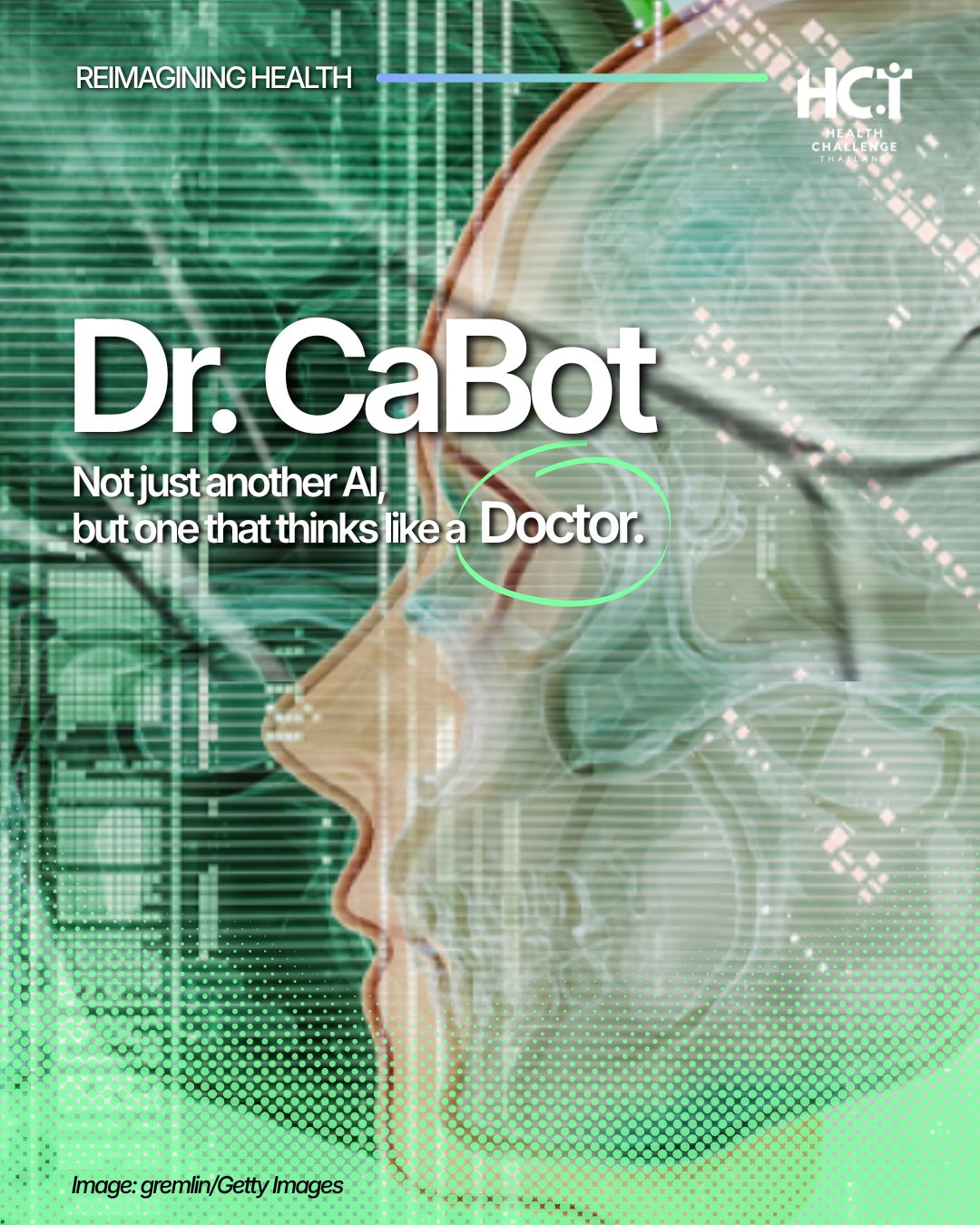
Anything interesting? This "doctor" is actually an artificial intelligence system called Dr. CaBot, developed by researchers at Harvard Medical School.
Dr. CaBot was created as a medical education tool. Unlike many AI systems that simply give an answer, it shows its full reasoning process. It generates a "differential diagnosis" — a list of possible conditions — and methodically narrows them down, explaining each step just like an experienced physician would.
The system recently established its AI-generated diagnosis alongside that of a human expert in one of its famous case conferences. Both reached a similar conclusion, even though their reasoning paths differed. Dr. CaBot is powered by OpenAI's advanced language model and can search millions of medical research papers to support its analysis and cite reliable sources.
For now, Dr. CaBot is designed for teaching and research, not direct patient care. Researchers emphasize that it still needs further validation and safeguards before clinical use. However, it highlights the growing roles of AI in medicine. The goal isn't to replace doctors, but to support them. AI systems like Dr. CaBot can work tirelessly, promptly review vast medical literature, and assist physicians in tackling complex cases.
As AI and medicine continue to evolve together, tools like Dr. CaBot may become part of the future medical toolbox — helping doctors learn, reason, and ultimately provide better care.
ภาษาไทย
เมื่อเรามองดูอย่างผิวเผิน เราอาจเห็นภาพเหตุการณ์ที่พวกเราคุ้นเคยเป็นอย่างยิ่ง ภาพแพทย์ที่กำลังรายงานผลตรวจสุขภาพของผู้ป่วย อธิบายอาการ ผลการตรวจทางห้องปฏิบัติการ และกระบวนการต่างๆ เพื่อใช้เป็นหลักฐานในการนำไปสู่กระบวนการหาความเป็นไปได้ในการเกิดโรคแต่ละโรคก่อนที่จะสรุปการวินิจฉัยขั้นสุดท้าย
สิ่งที่น่าสนใจคือ "แพทย์" ณ ที่นี้ แท้จริงแล้วคือระบบปัญญาประดิษฐ์ที่มีชื่อว่า Dr. CaBot ซึ่งพัฒนาโดยคณะนักวิจัยจาก Harvard Medical School
Dr. CaBot ถูกออกแบบให้เป็นเครื่องมือเพื่อการศึกษาทางการแพทย์ ซึ่งจะต่างจากระบบปัญญาประดิษฐ์อื่นๆ ที่มุ่งเน้นไปที่การให้คำตอบสุดท้าย โดยที่ระบบปฏิบัติการ Dr. CaBot นี้จะแสดงกระบวนการคิดวิเคราะห์อย่างครบถ้วน โดยเริ่มจากการสร้าง "การวินิจฉัยแยกโรค" (differential diagnosis) หรือรายการของโรคที่เป็นไปได้ จากนั้นจึงค่อย ๆ วิเคราะห์และตัดความเป็นไปได้ทีละขั้นตอน พร้อมอธิบายเหตุผลอย่างเป็นระบบ เสมือนแพทย์ผู้มีประสบการณ์กำลังถ่ายทอดแนวคิดทางคลินิกออกมาอย่างเป็นขั้นเป็นตอน
เมื่อไม่นานมานี้ Dr. CaBot ได้ถูกนำมาใช้งานในการวินิจฉัยโรคทางคลินิกควบคู่กับการวินิจฉัยของแพทย์ผู้เชี่ยวชาญ ผลปรากฏว่าทั้งสองฝ่ายได้ข้อสรุปที่สอดคล้องกัน แม้ว่ากระบวนการให้เหตุผลจะแตกต่างกัน
โดยที่ Dr. CaBot ขับเคลื่อนด้วยแบบจำลองภาษาขั้นสูงของ OpenAI และสามารถสืบค้นบทความวิจัยทางการแพทย์นับล้านฉบับเพื่อสนับสนุนการวิเคราะห์ พร้อมอ้างอิงแหล่งข้อมูลที่เชื่อถือได้
ในปัจจุบัน Dr. CaBot ถูกพัฒนาเพื่อใช้ในด้านการเรียนการสอนและการวิจัยในโรงเรียนแพทย์ ยังไม่ได้มีวัตถุประสงค์เพื่อใช้ดูแลผู้ป่วยโดยตรง โดยนักวิจัยผู้พัฒนาระบบนี้ได้ย้ำว่ายังคงต้องมีการทดสอบ ตรวจสอบความถูกต้อง และพัฒนามาตรการด้านความปลอดภัยเพิ่มเติมก่อนนำไปประยุกต์ใช้ในทางคลินิกอย่างจริงจัง อย่างไรก็ตาม Dr. CaBot ได้สะท้อนให้เห็นถึงบทบาทที่เพิ่มขึ้นของปัญญาประดิษฐ์ในวงการแพทย์ โดยเป้าหมายของเทคโนโลยีดังกล่าวมิใช่การทดแทนแพทย์ที่มีอยู่เดิม แต่เพื่อสนับสนุนการทำงานของแพทย์ให้มีประสิทธิภาพมากขึ้น ปัญญาประดิษฐ์อย่าง Dr. CaBot สามารถทำงานได้อย่างต่อเนื่องและสืบหาข้อมูลทางการแพทย์จำนวนมหาศาลได้อย่างรวดเร็วจากฐานข้อมูล และช่วยแพทย์วิเคราะห์กรณีที่มีความซับซ้อนได้อย่างมีประสิทธิภาพ
ในอนาคต เมื่อเทคโนโลยีปัญญาประดิษฐ์และศาสตร์ทางการแพทย์พัฒนาไปควบคู่กัน เครื่องมือเช่น Dr. CaBot อาจกลายเป็นส่วนหนึ่งของชุดเครื่องมือทางการแพทย์ยุคใหม่ ที่ช่วยให้แพทย์เรียนรู้ คิดวิเคราะห์อย่างเป็นระบบ และมอบการดูแลรักษาที่มีคุณภาพยิ่งขึ้นแก่ผู้ป่วย